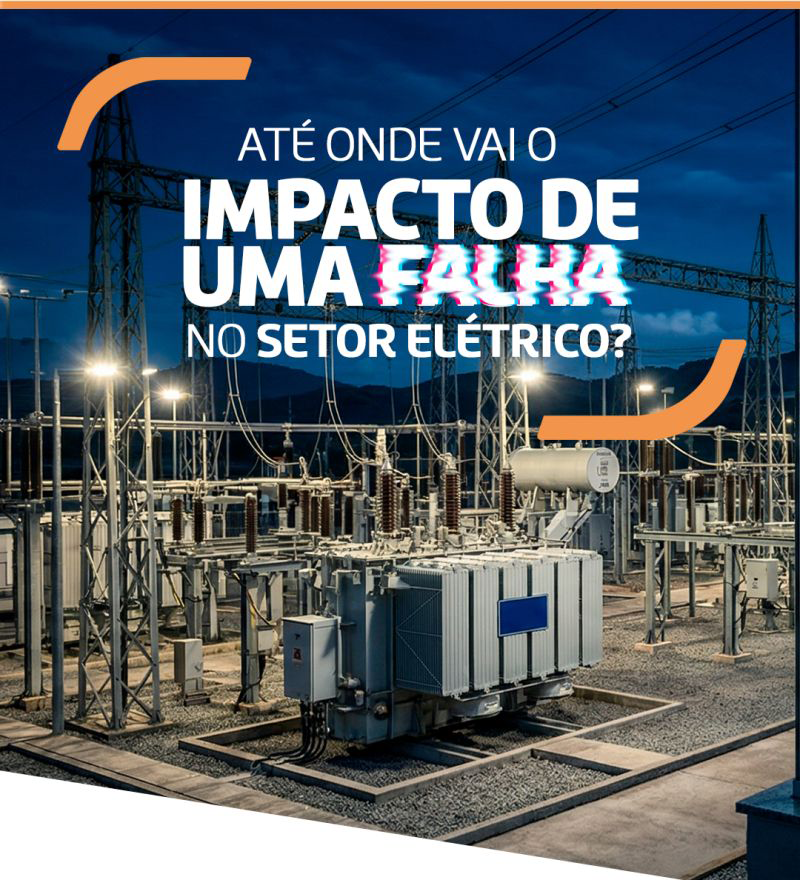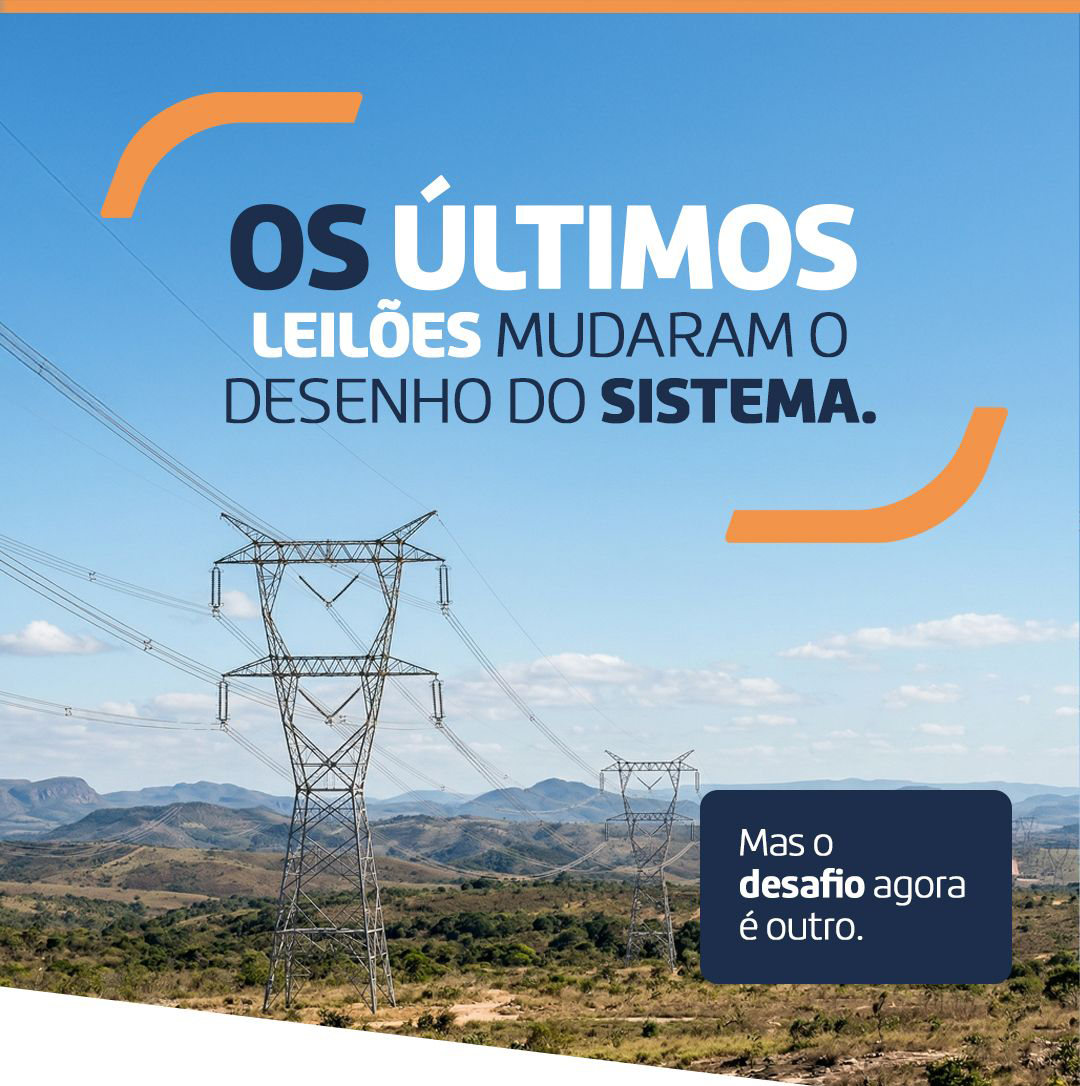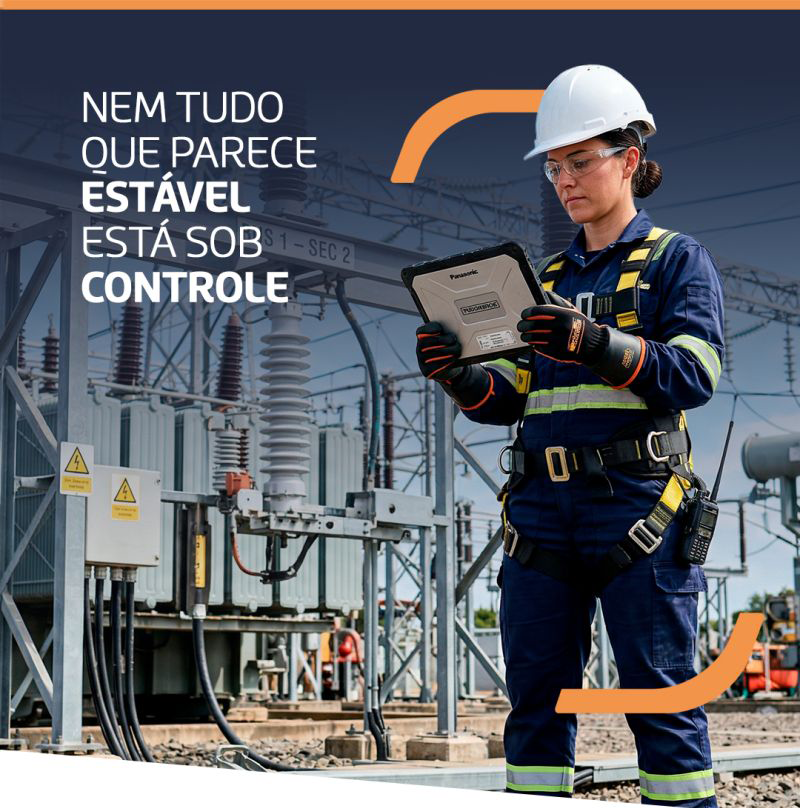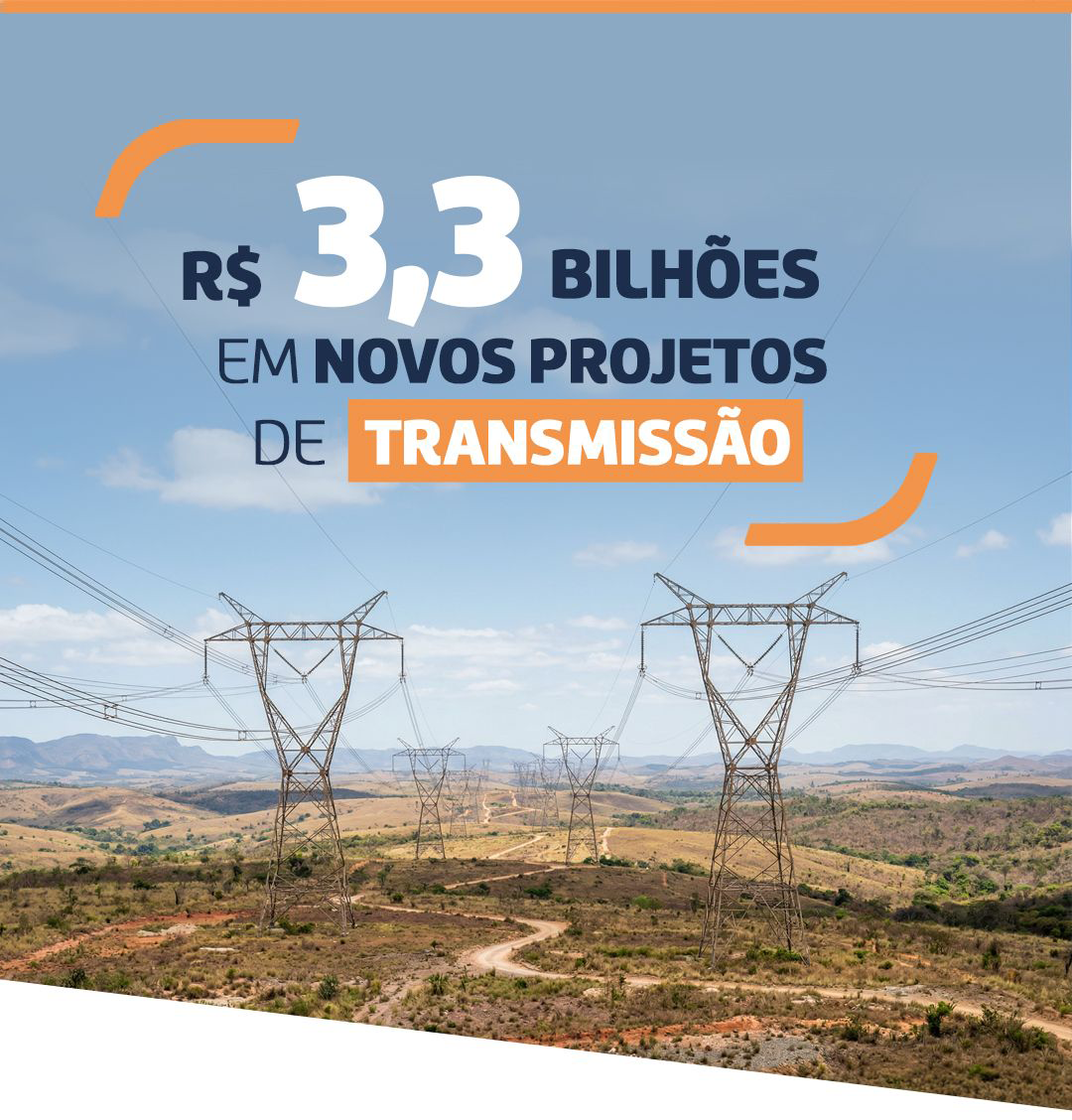
The transmission auction held by ANEEL (Brazilian Electricity Regulatory Agency) at the end of March shows a shift in the type of solution being prioritized in the electricity sector.
With contracted projects totaling R$ 3.3 billion in investments, the plans include the construction and maintenance of 798 km of lines, as well as synchronous compensators aimed at increasing energy transmission capacity.
This is a central point.
In a scenario of accelerated growth in renewables, network limitations are already beginning to generate operational restrictions in some regions – such as the recent curtailment episodes.
In other words, transmission expansion is no longer just support but becomes an active part of system efficiency.
At the same time, the auction result is noteworthy for its competitiveness. Even with increased capital costs, the average discount exceeded 50%, above recent levels.
This indicates that investor interest remains high. But it also points to a more pressured scenario, in which projects are being structured with less economic leeway.
In this context, transmission takes on an even more strategic role: not only connecting new assets, but ensuring that the energy generated is actually used.
It is this balance that defines the system's efficiency.
And, in practice, where does the main point of attention lie today: generation or transmission?