The Brazilian electrical system is signaling an important shift in how it is being structured.
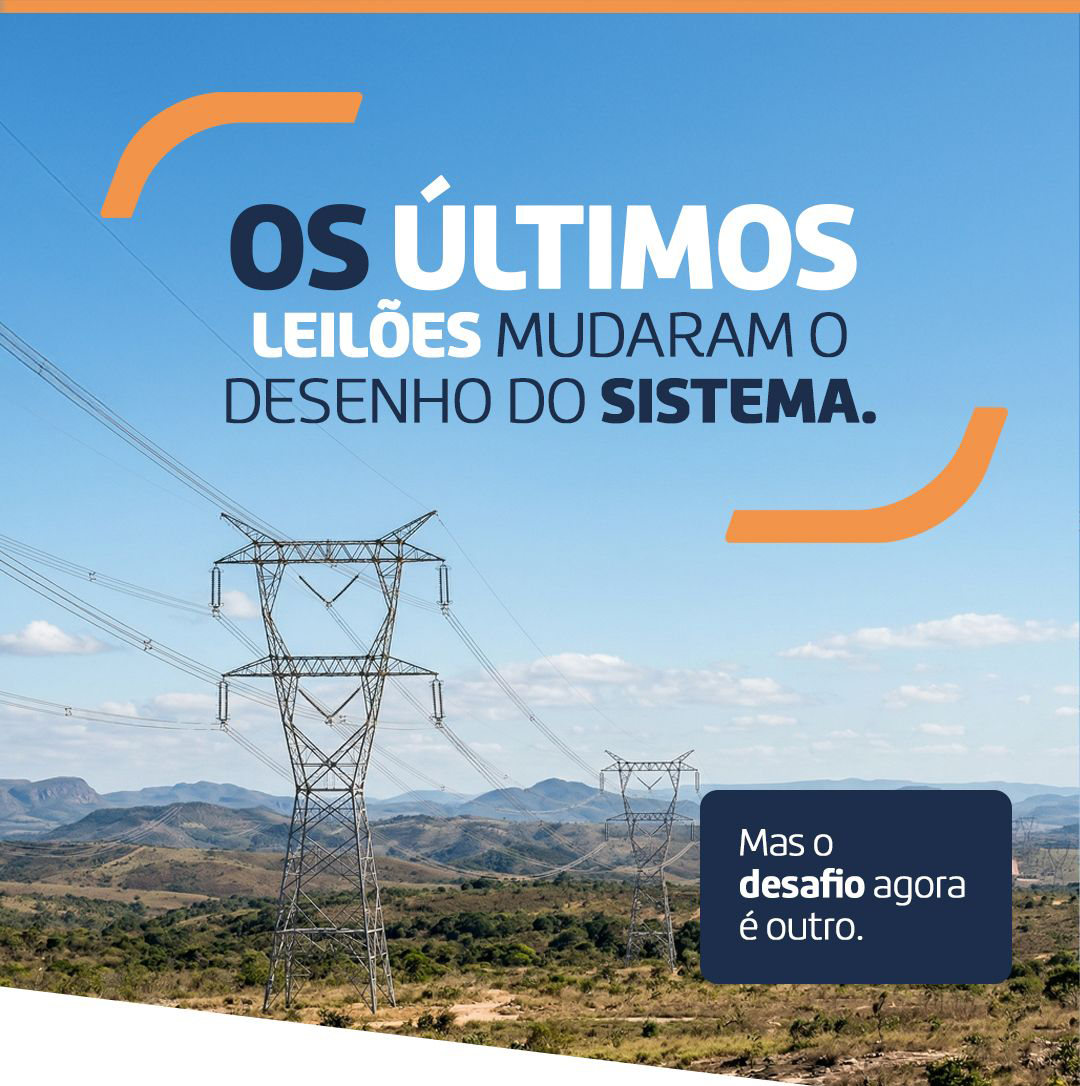
The two Reserved Capacity Auctions in the form of Power (LRCAPs) held at the end of March should not be analyzed solely by the contracted volumes, but by the system design they reveal.
In the first auction, with approximately 19 GW contracted, there is a clear movement towards reinforcement: strengthening the structural base of the system with firm capacity, guaranteeing energy predictability for the next decade.
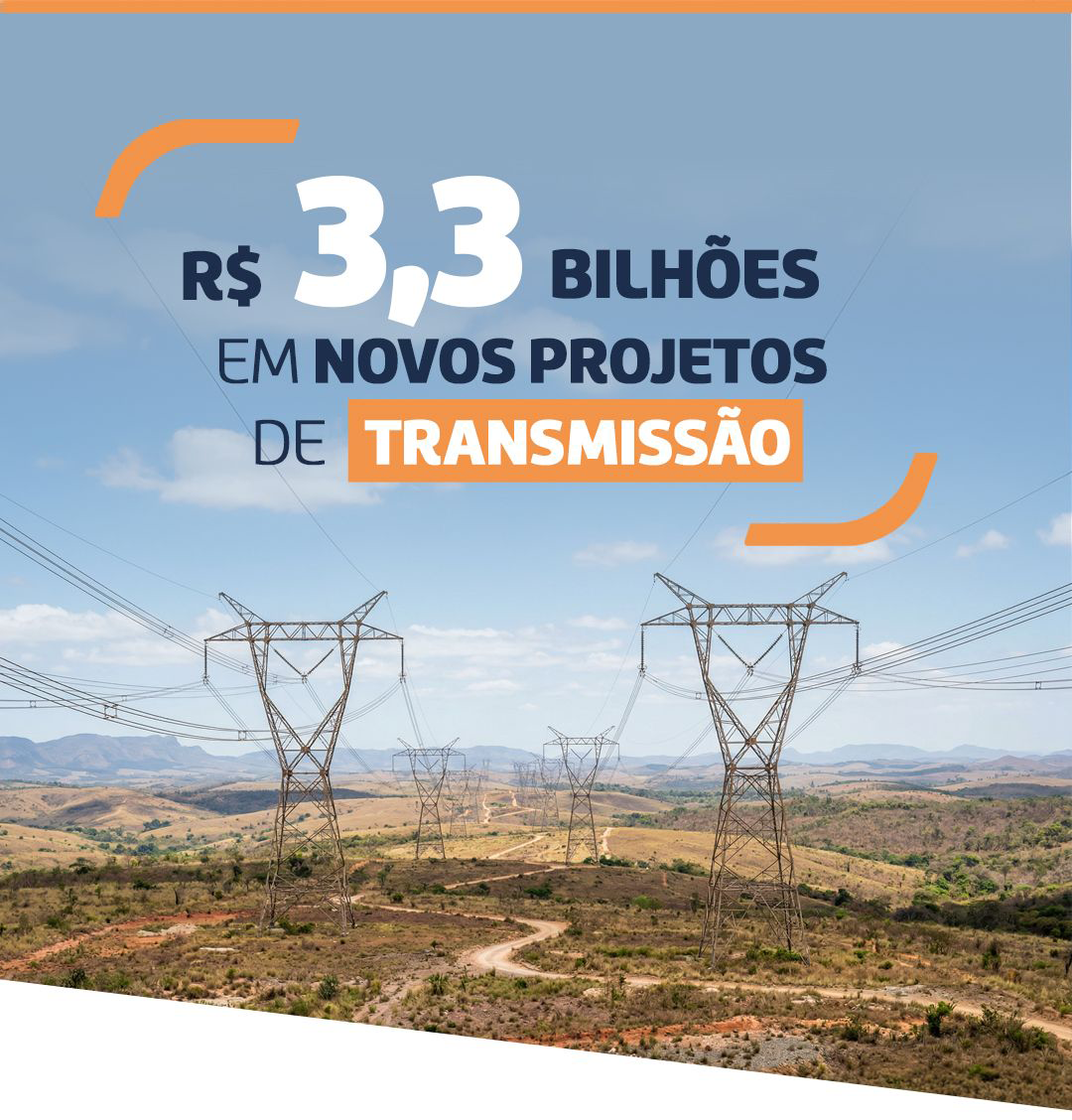
The expectation is that the projects will enable approximately R$ 64.5 billion in new investments in the electricity sector.
In the second auction, with only 501 MW and discounts exceeding 50%, the signal is different, but complementary. The system is now contracting flexibility, with fast-response assets and shorter contracts, capable of absorbing variations and reducing exposure to critical scenarios.
In practice, what is being consolidated is a combination of structural capacity and response capacity. This strengthens energy security, but changes the type of operational requirements.
With more thermal power plants, greater diversity of sources, and contracts with different horizons, the challenge shifts from expansion to how this system is operated on a daily basis.
Reliability, in this context, involves:
consistent asset management
continuous operational risk control
responsiveness when the system demands it
and predictability throughout the contract
The auctions point to a significant change: it is not enough to expand capacity; it is necessary to sustain this delivery consistently over time.
The sector has already shown it knows how to contract capacity. But are we ready to consistently implement this?